
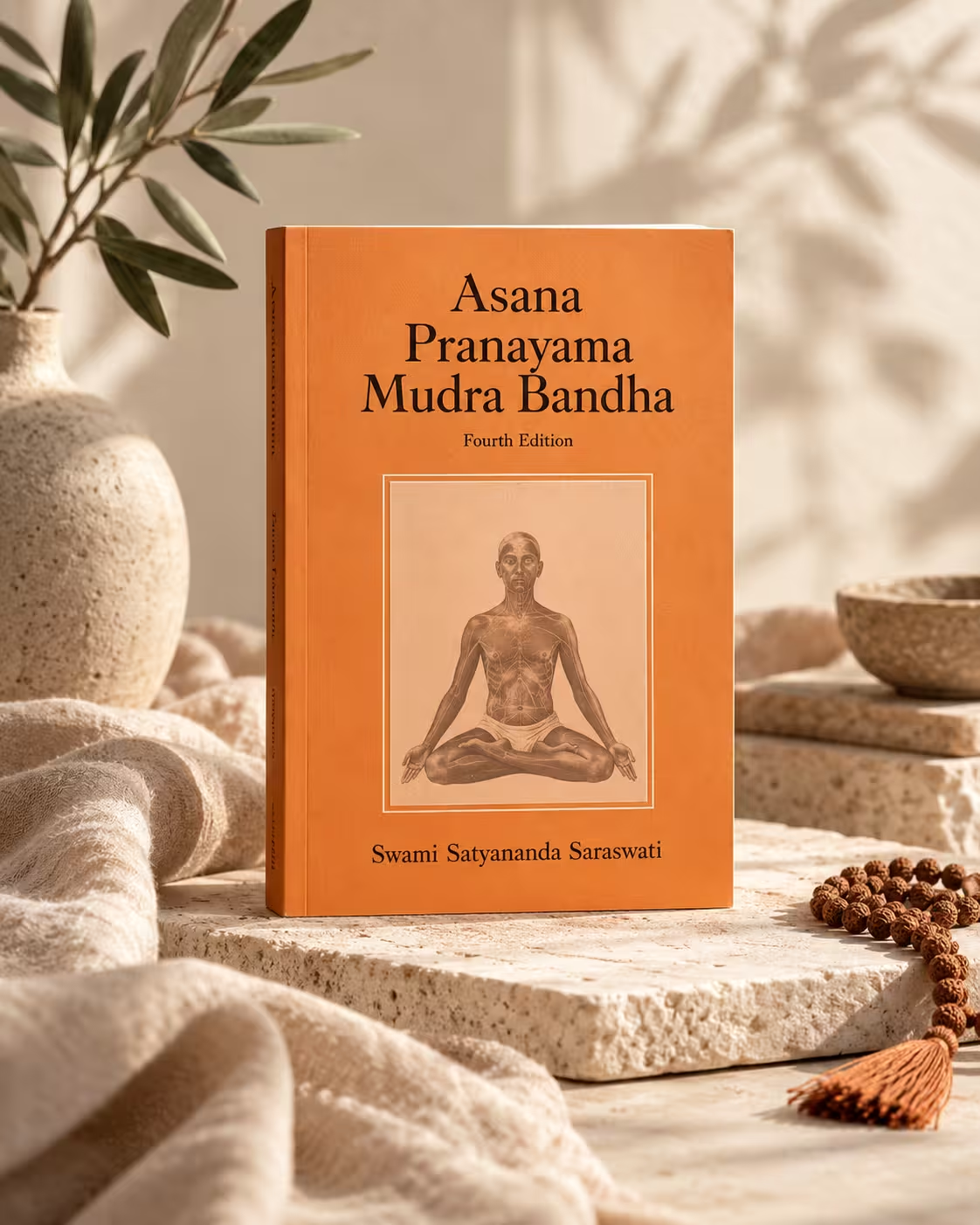
The Yoga Book I Keep Coming Back to
The Asana Pranayama Mudra Bandha is a dictionary of yogic practices. Published by the Bihar School of Yoga, it is an extraordinarily comprehensive reference to yoga postures, breathing techniques, hand positions, practices for directing energy and awareness, cleansing techniques, and the deeper principles behind yoga. Each practice is broken down with detailed instructions, breathing, where to focus your attention, its benefits, and when a pose may not be appropriate and any situations where it should be avoided or modified. The goal is to understand not just what a posture looks like, but how it is meant to be practiced. It is the kind of book you can return to for years and continue discovering something new.
More Than Just a Pose
This is one of the books I reach for often. I use it to look up poses for a particular part of the body or concern, but just as often I open it to make sure I understand the small details of a practice—the placement of the hands or feet, where awareness should be directed, when to inhale or exhale, and what I should actually be feeling. Those details can completely change a pose. I especially love the Pawanmuktasana series at the beginning of the book because these simple practices form such an important foundation of the Bihar Yoga approach: Part 1 works systematically through the joints and stiffness in the body; Part 2 focuses on the digestive and abdominal region; and Part 3, Shakti Bandha, works more deeply with the body, spine, and areas where tension and energy can become blocked. These foundational movements are connected to the way I am building the early DearKali Yogic Lessons—starting with simple practices that prepare the body and awareness before moving deeper.
Helps You Follow What Your Body Is Telling You
The book is a remarkable tool for understanding your own body more deeply, especially when you want to go beyond simply “doing yoga.” Maybe your hips feel unusually tight, your back has been bothering you, digestion feels off, or you want to understand which practices may support a particular physical condition. The book gives you a way to investigate: look up the area of the body or condition, see which practices are traditionally recommended, then return to each individual posture to understand exactly how to practice it. There is even a therapeutic index designed to help you navigate the book this way. Instead of randomly searching for a pose online, you have a thoughtful reference you can return to whenever you want to loosen what feels stuck, better understand discomfort, or simply learn more about why a practice works.




A breath, a pause, a practice. DearKali invites you to explore what supports you, question what no longer fits, and make space for the life you want to live.
Start Here.avif)



%401x.svg)





.avif)